Click the Book Covers Below to Buy the Books

Recommendations




tips & tricks
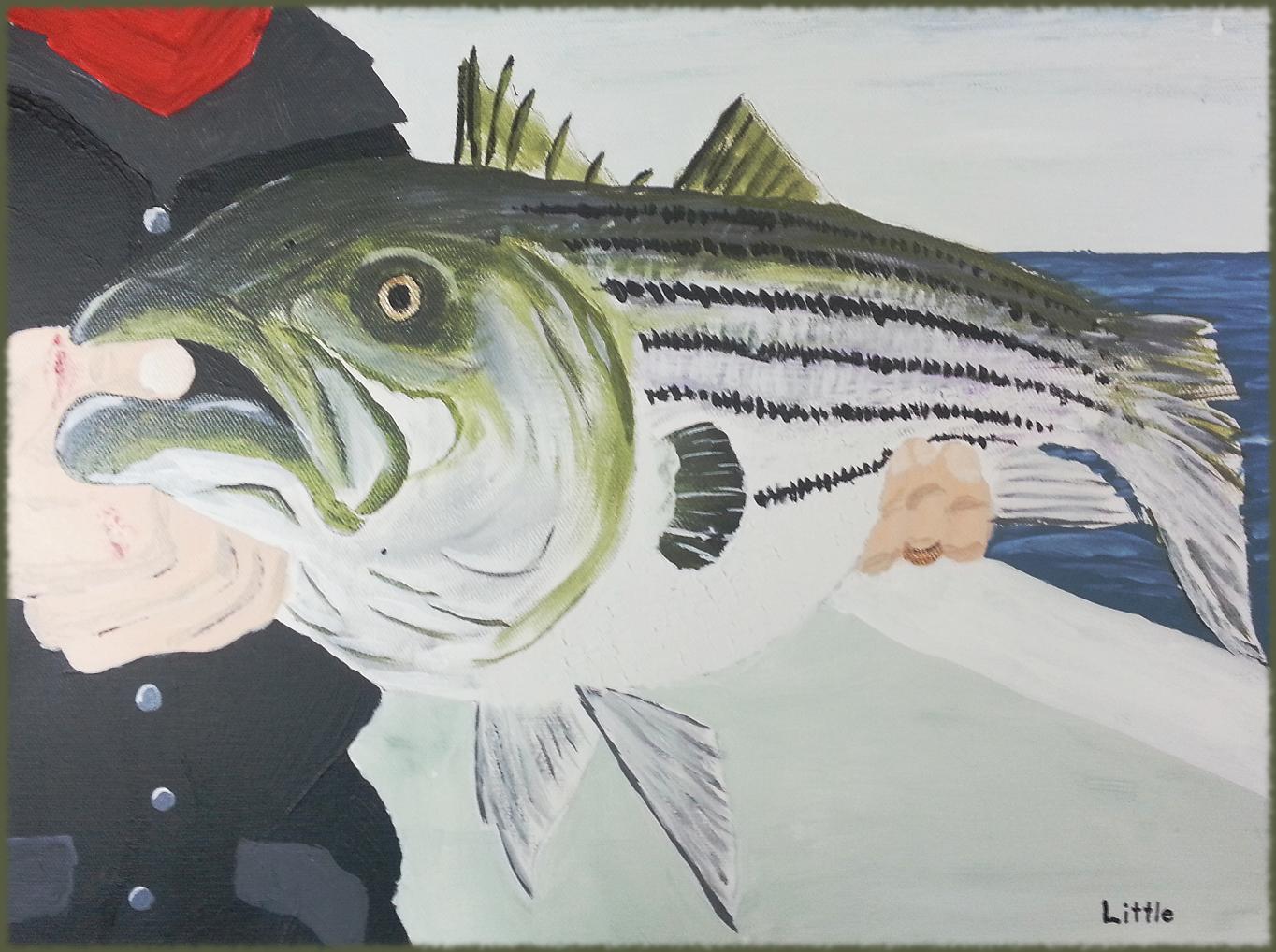 Are you ever surprised when someone you know to be a good angler turns out to be an artist? How many fishermen have you met that are also painters, writers, builders, etc? After hanging around fish and fishermen for more than fifty years, it has become clear to me that fishing attracts creative thinkers. Fishing, by its very nature requires artistry, innovation, and experimentation. It frequently compels us to turn loose of what we know, and reach out for things we hope for.
Everyone should believe in something; I believe I’ll go fishing. – Henry David Thoreau
By now, you’ve probably heard me say that it’s the bad days that make us better fishermen. Catching is easy when fish are biting, and almost any lure you throw in the water will work. Conversely, it’s the tough days that require us to get creative and use the less logical side of our brains. My fishing partner Jamie Clough tells a story about an ancient old fly fisherman who has frequented the meat counter where he works for more than a decade. On each visit, he mentions a spot he used to fish where he caught big speckled trout. His secret fishing hole was right under everyone’s nose and smack in the middle of one of the highest-traffic areas in the Chesapeake Bay. Jamie says he’d smile and nod at the stories, but never gave them a second thought until one day last summer. After an unsuccessful and frustrating morning, he decided to check out the old guy’s unlikely trout spot. Can you guess what happened next? It’s a safe bet that Jamie will never pass by that spot again, and I’m thinking that gentlemen gets an extra-thick ribeye once in a while. Read More!
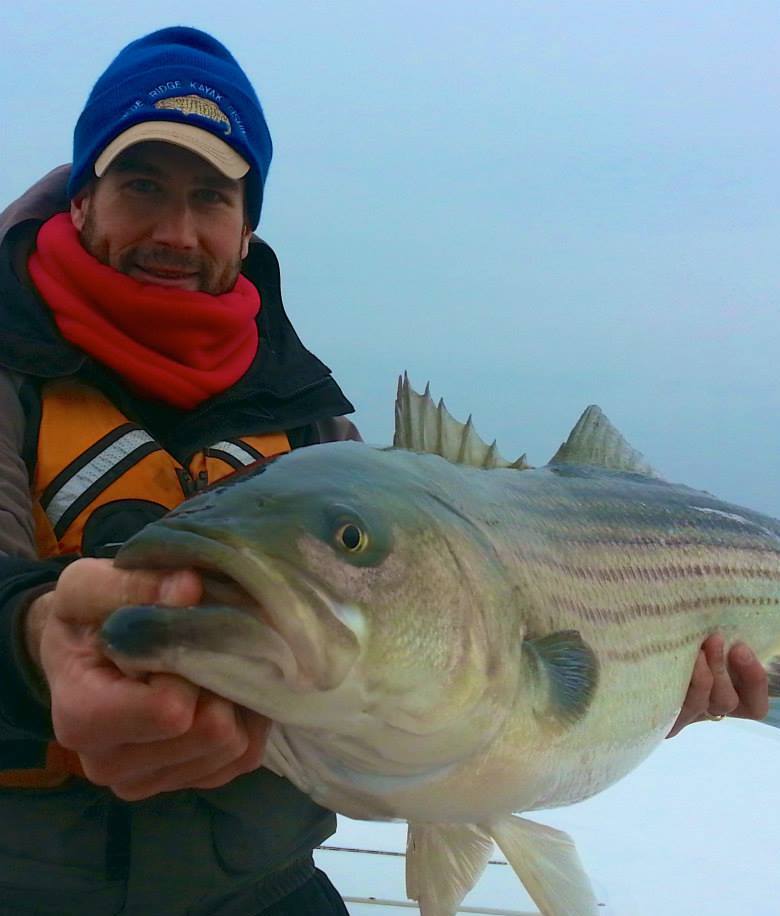 Being a good fisherman has always been about being smart enough, and humble enough to learn when given a chance. -Anthony Bourdain
Actually, Bourdain never said that. Well, he did, but it was about cooking, not fishing. Some of the best fishermen I know like to cook. I guess that’s because there are a lot of similarities. I’ve recently had the opportunity to spend time with some very talented up-and-coming striper fishermen. What impresses me most is their willingness to open their minds and learn. As a result, they’re enjoying some of the best fishing experiences of their lives. That willingness to learn is a trait I’m including in a book I’m working on called, The Right Stuff.
According to the website Cookingschools.com, there are ten top qualities of a great culinary professional. As I read through them, I found it interesting how each of those qualities apply just as easily to great fishing. I hope they won’t mind if I parody their list a little by substituting fishing terms. Take a look to see if you have the recipe for a quality fishing experience. The few words I substituted are in italics.
Creativity: A great angler must be very creative and always willing to try something new. Creativity inspires a lure’s presentation, which is very important to the overall fishing experience.
Passion: A great angler has a tremendous passion for fish and fishing. They enjoy the process of selecting gear, preparing for trips, and creating lures. Read More!
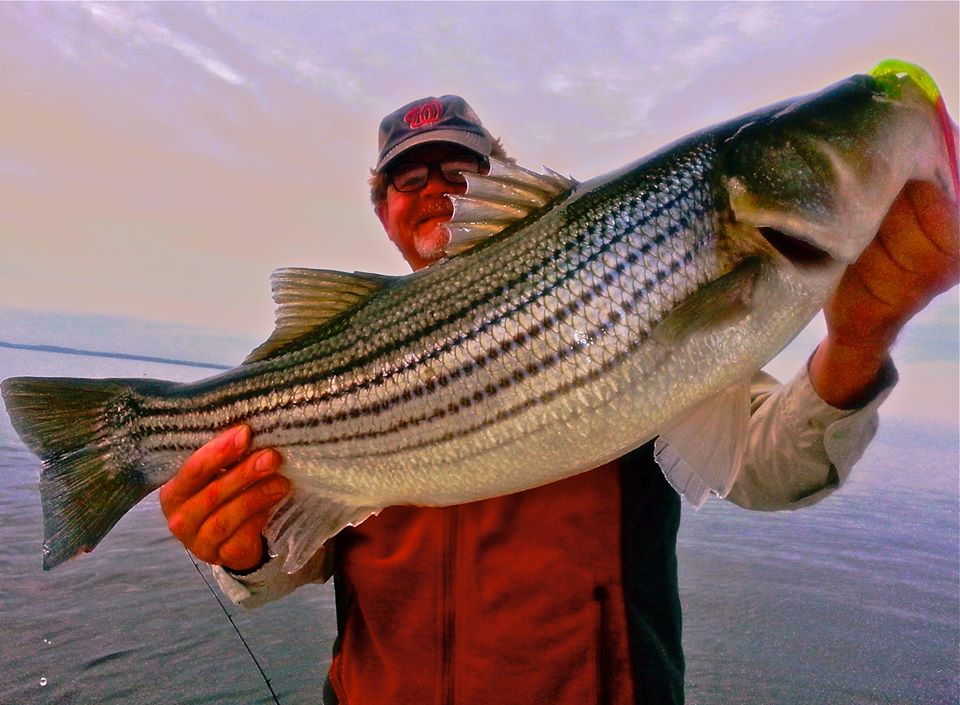 One of the more frequently asked questions I get whether by email or in person is, “How can I consistently catch bigger fish?” I’ve written about moving your game up to the next level before, but since we now have some migratory stripers in the Maryland part of the Chesapeake Bay, it’s worthwhile to address it again. The learning curve gets a little shorter in the fall and it’s a great chance to sharpen your skills. I’ll start by saying there are no hard and fast rules for catching stripers. Over my years of casting for them I feel like I’ve honed my techniques so that, on any given day, I have an edge for catching a trophy. That said, I’m still frequently surprised when a huge striper is caught by some completely different method than I’ve seen before. One thing is for sure, things change. There’s no substitute for experience but anglers who aren’t willing to stay on top of the latest innovations and newest techniques are certain to be left behind. Read More!
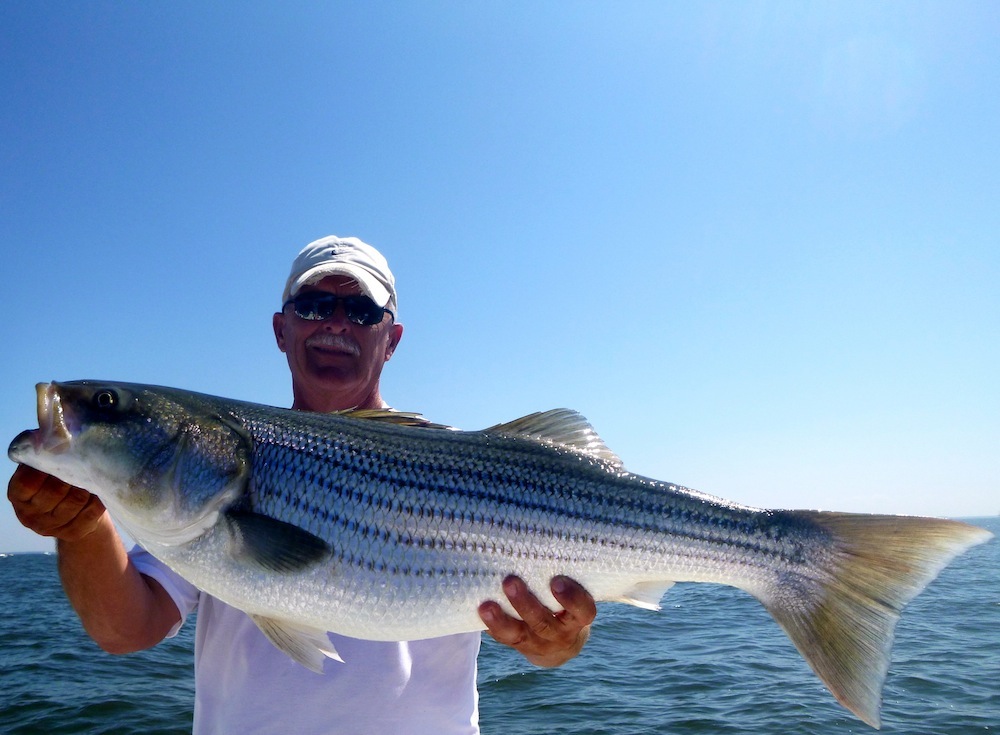 Congratulations to Rich Jenkins, 2013 Champion of the Kent Narrows Light Tackle Catch-&-Release Tournament. Rich fished with Jamie Clough, Jon Griffiths and me onboard my 27 Judge CC Thunder Road and won the tournament with a wide-shouldered 34-inch striper caught about 1:00 PM Saturday afternoon. Coming off the win, I thought it might be helpful to post some recommendations for catching bigger striped bass in Maryland’s portion of the Chesapeake Bay in June.
Topwater – Look around high-current points where there is access to deep water. Submerged rocks and other cover are a plus. Set up downstream and fan-cast into the direction of the current starting closest to shore. Look for the rip, that is a change in the waves around the point and work that area hard. On calm days, use a spook. In rougher water, try a big popper. Heddon Super Spooks, Lonely Angler Zipsters, and Stillwater Smackits are great lures for this time of year. Read More!
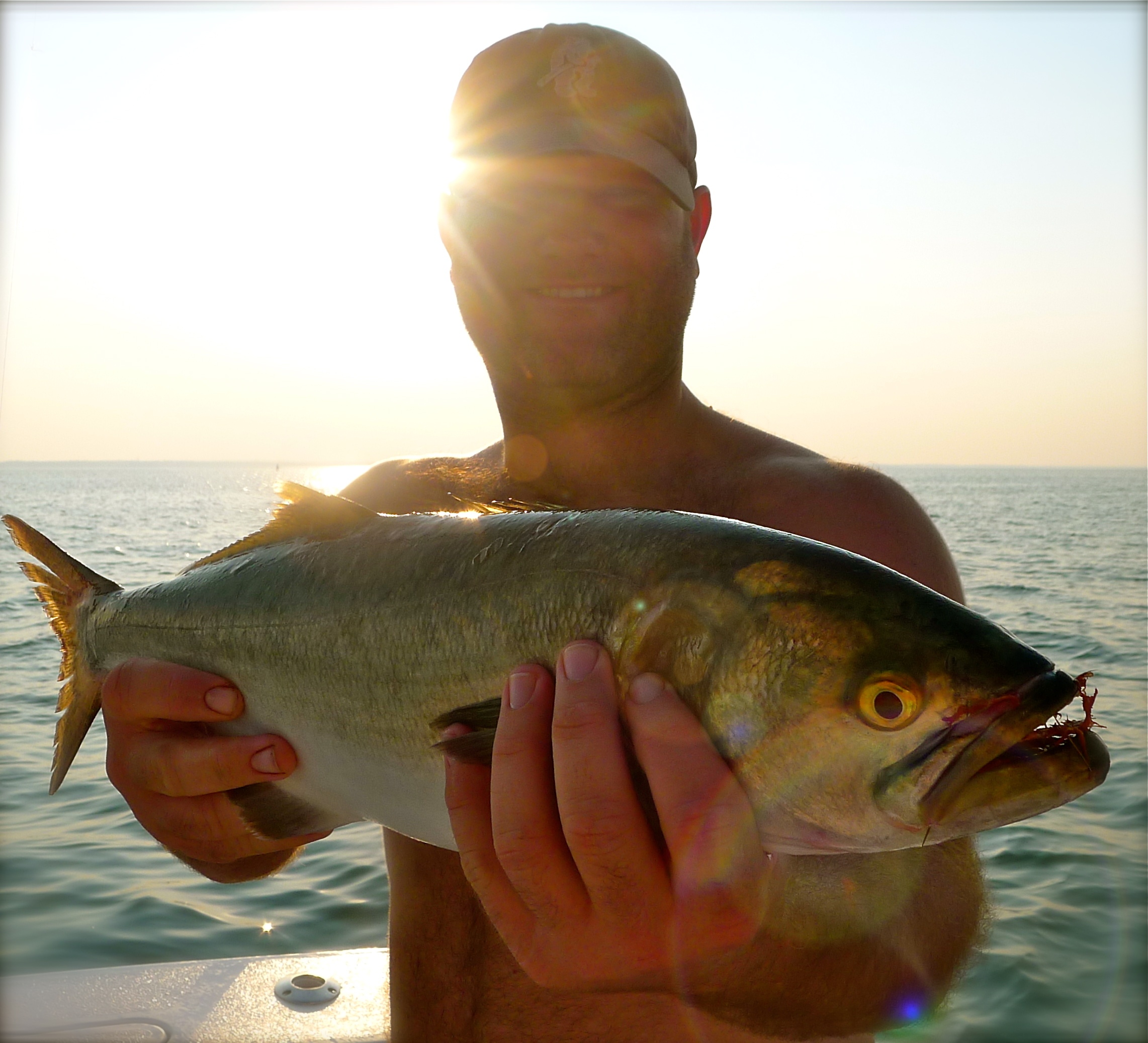 Not long ago we took breaking bluefish and rockfish for granted in the Chesapeake Bay. Unfortunately, times have changed. Since there are a lot fewer fish now, we have to look a lot harder and longer for summer breakers. Granted, it’s easier on some days than it is on others. In my book, Chesapeake Light Tackle, An Introduction to Light Tackle Fishing on the Chesapeake Bay, I dedicate several pages to methods for locating breaking fish. The best strategy for finding blitzing fish under working birds is to head straight for the closest oyster bar. In my reports, I often mention that I find fish over live, hard bottoms. By that, I mean places where there are active shellfish populations.
I typically plan all my fishing trips so that I keep my boat over as many oyster bars as possible. That includes when I’m just running from one place to another. For fish to feed on the surface in the Chesapeake Bay they need three primary ingredients. In the book, I abbreviate the formula like this: C + B/HB = BF. That’s current plus bait over hard bottoms equals breaking fish. Read More!
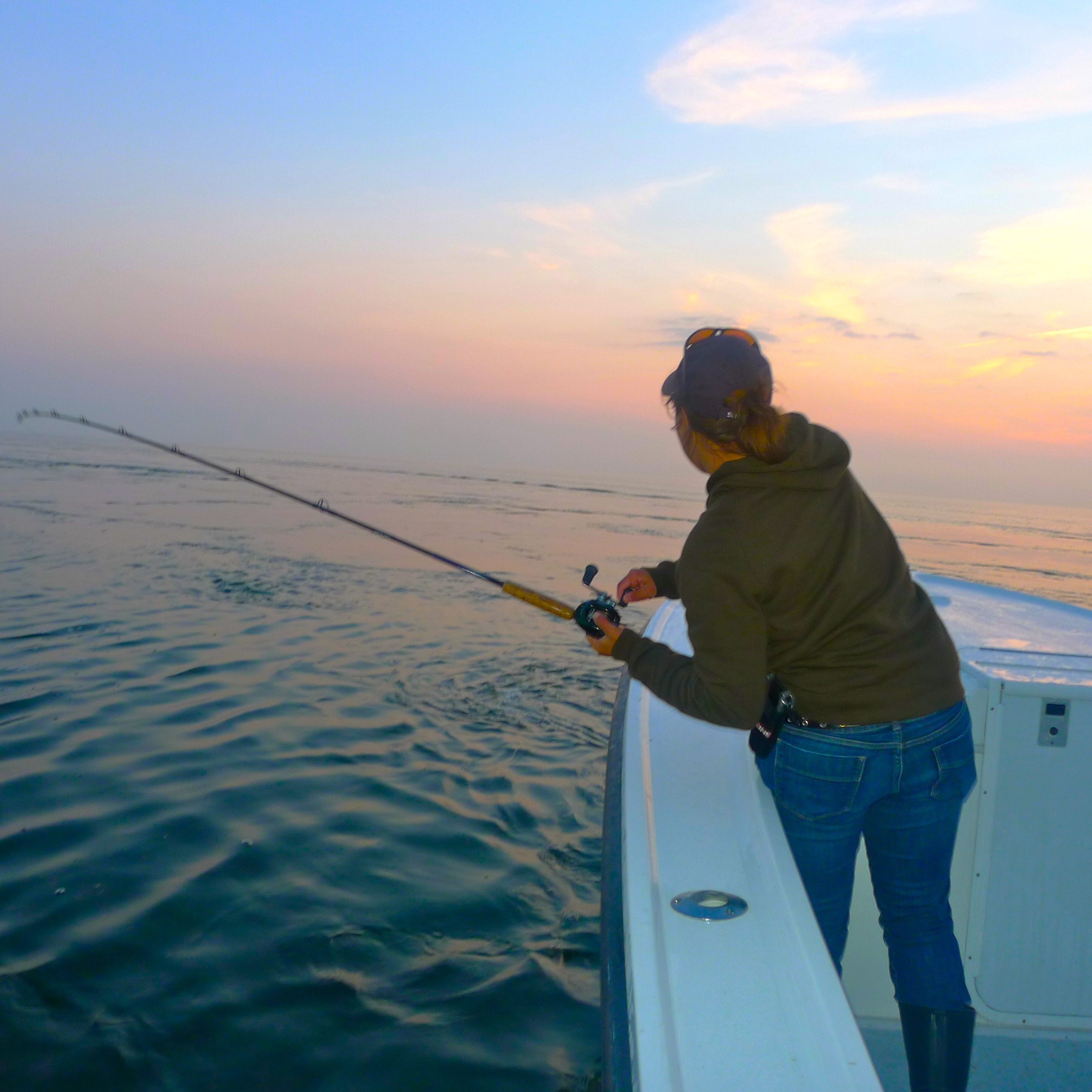 In the last CLT entry, I wrote about the five reasons why Chesapeake Bay stripers attack a lure: hunger, reaction, competition, territory protection, and curiosity. When fish are hungry, they’re easy to catch. Almost any lure or technique will work on hunger-feeding fish. Unfortunately, most of us don’t have the time or resources to constantly run around looking for schools of voracious fish. If you’re like me, you have to fish in the limited time you have available, and you probably stay close to home. While we may occasionally happen upon groups of ravenous fish, most of the stripers we encounter are hard to catch. In order to be consistently successful, we have to provoke strikes from fish that may not be particularly inclined to bite. Strike producing lures are especially important right now since we have trophy rockfish migrating in and out of the Bay. Our chances for catching-and-releasing a 50-pounder on light tackle are better than at any other time of year, but migrating fish have other things on their minds besides eating. Big fish get bigger by being smart and getting smarter. To catch them, we need to cast lures that will provoke strikes by appealing to their five senses; sight, sound, smell, feel and taste. I call the formula 5 by 5. By that, I mean we can consider the five reasons why fish strike, then use lures designed to appeal to each of their five senses in order to come up with the best of all possible strike triggers. In this installment we’ll look at striped bass eyesight. Read More!
